
Razer Blade 16: The Ultimate Gaming Laptop? A Deep Dive
The Razer Blade 16, a continuation of Razer’s acclaimed Blade series, aims to deliver a premium gaming experience in a sleek and powerful package. This laptop has carved a significant niche in the high-end gaming market, and understanding its strengths and weaknesses is crucial for anyone considering a purchase. This comprehensive review will delve into its design, performance, display, features, and overall value proposition, helping you determine if the Blade 16 is the right choice for you.
Outline:
- Design and Build Quality
- Display and Audio Experience
- Performance: Power and Processing
- Keyboard, Trackpad, and Ports
- Battery Life and Portability
- Best Razer Blade 16 Alternatives for Gamers
- Value for Money and Verdict
- Frequently Asked Questions (FAQ)
Design and Build Quality
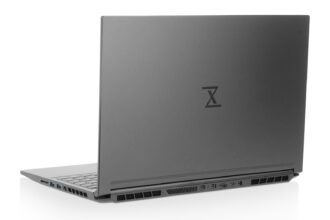
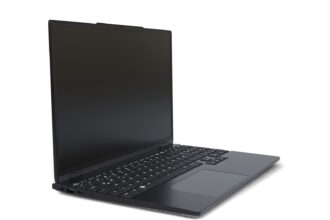
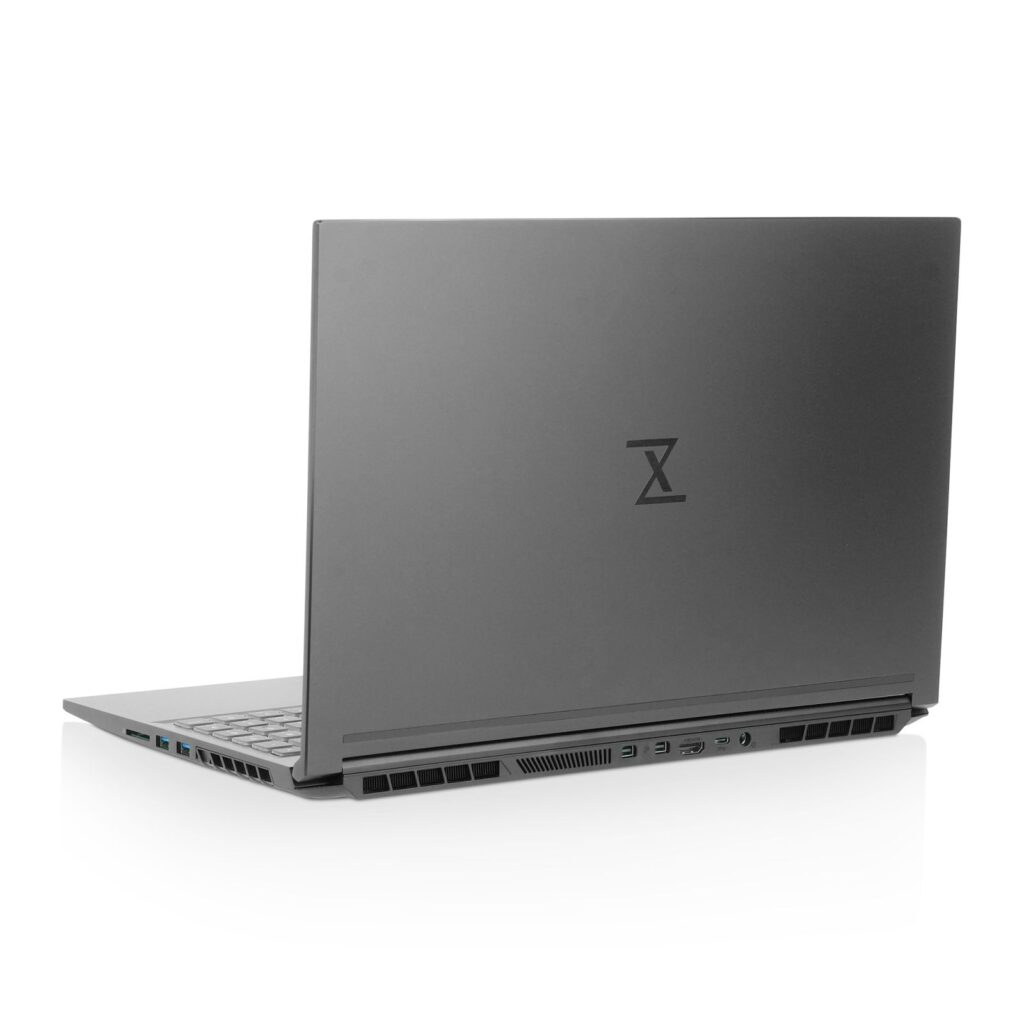
The Razer Blade 16 continues the brand’s tradition of premium design and build quality. It boasts a chassis crafted from a single block of CNC-milled aluminum, resulting in a robust and visually stunning aesthetic. The signature matte black finish, accented by the glowing Razer logo on the lid, exudes a sense of sophistication. This is a laptop that feels as good as it looks, with a sturdy construction that minimizes flex even under intense pressure. While the Blade 16 is relatively compact for its screen size and performance capabilities, it remains heavier than some competing ultrabooks. The build quality, however, justifies the weight for many users prioritizing durability and premium feel. Its clean lines and minimal branding make it suitable for both gaming and professional use.
Display and Audio Experience
One of the standout features of the Razer Blade 16 is its display. Razer offers configurations with exceptional panels, often including Mini-LED options with high refresh rates and impressive color accuracy. These displays are crucial for gamers who demand smooth visuals and vibrant colors. The high resolution, often reaching QHD+ or even 4K, provides incredible detail. The fast refresh rates, typically 240Hz or higher, ensure a fluid gaming experience, minimizing motion blur.
The audio experience is also noteworthy. The Blade 16 typically features a solid speaker system, often with THX Spatial Audio support. This technology enhances the soundstage, providing a more immersive audio experience. While the built-in speakers are generally good, they might not completely replace the need for a dedicated gaming headset for the most demanding gamers. The display and audio combination contribute significantly to the overall immersive gaming experience.
Performance: Power and Processing
The Razer Blade 16 is designed to deliver top-tier gaming performance. It’s equipped with the latest high-end components, including powerful Intel Core i9 processors and cutting-edge NVIDIA GeForce RTX 40 series graphics cards. The inclusion of high-performance RAM, often up to 64GB, and fast NVMe SSD storage further enhances the system’s responsiveness. The thermal design, a crucial aspect of high-performance laptops, is generally well-executed, although it can be susceptible to thermal throttling under extended, heavy loads. Careful consideration should be given to the specific configuration, as different models can have varying cooling solutions. The combination of powerful components makes it capable of running the latest AAA titles at high settings with smooth frame rates.
Keyboard, Trackpad, and Ports
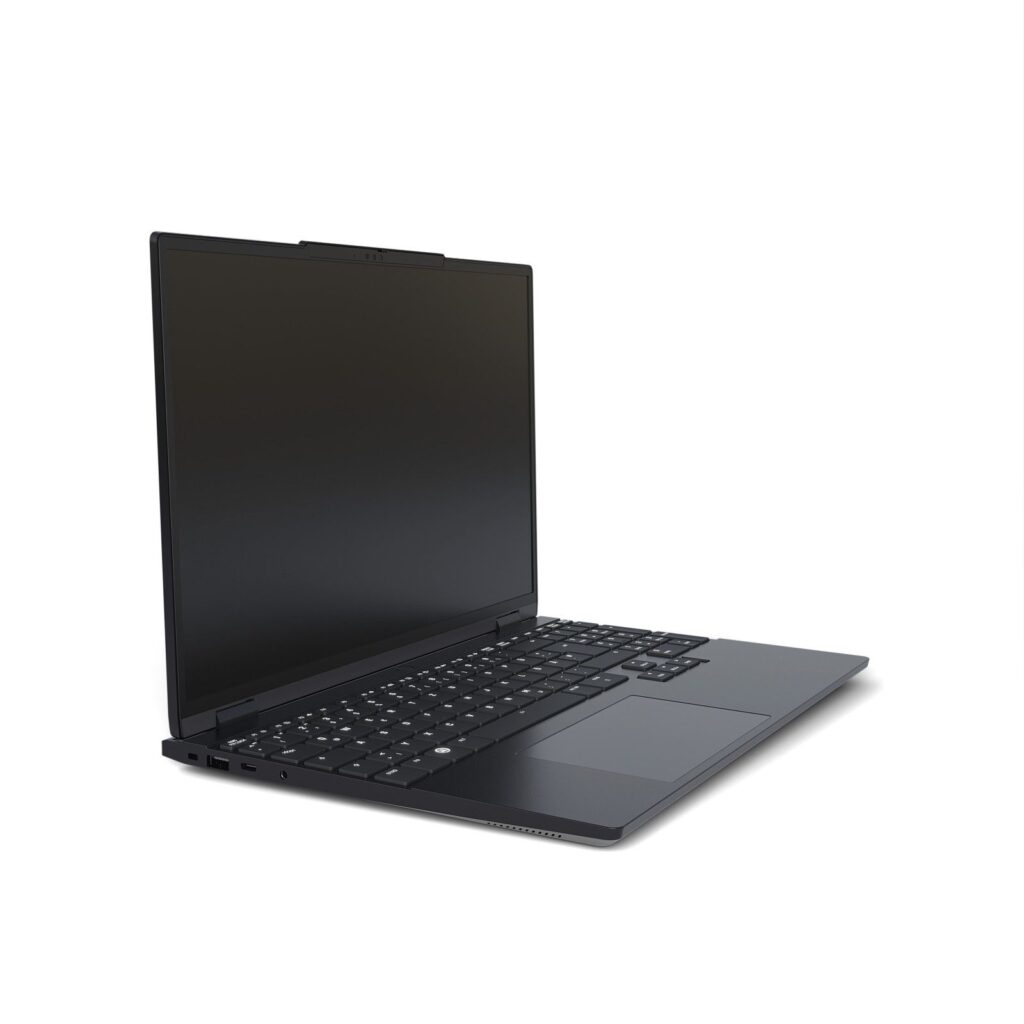
The Razer Blade 16 generally offers a comfortable keyboard with well-spaced keys and a satisfying tactile feel. The key travel is usually good, providing a responsive typing experience. Per-key RGB lighting, a Razer signature feature, allows for extensive customization, enhancing both aesthetics and usability. The trackpad is typically large and responsive, offering smooth tracking and accurate gesture support.
The port selection is generally comprehensive, catering to the needs of gamers and professionals alike. The laptop typically includes multiple USB-C ports with Thunderbolt 4 support, USB-A ports, an HDMI port, and a headphone jack. This array of ports provides ample connectivity for external displays, peripherals, and storage devices. The inclusion of an SD card reader is a welcome addition for content creators.
Battery Life and Portability
Battery life is often a trade-off for the powerful components in gaming laptops. The Razer Blade 16’s battery life is typically average for its class. Users can expect a few hours of use for light tasks like web browsing or video playback, but gaming will significantly drain the battery. The portability of the Blade 16 is good for its performance class, but the weight and bulk mean it is not as portable as lighter ultrabooks. The relatively compact design makes it easier to carry around, but the need to bring the charger for extended gaming sessions should be kept in mind.
Best Razer Blade 16 Alternatives for Gamers
Choosing the right gaming laptop requires careful consideration of various factors, including budget, performance needs, and desired features. Here’s a comparison table showcasing some of the best alternatives, with the Dell G15 as an example to illustrate competition:
| Feature | Razer Blade 16 | Dell G15 (Example) | Alienware m16 | ASUS ROG Zephyrus M16 | MSI Stealth 17 Studio |
|---|---|---|---|---|---|
| CPU | Intel Core i9 (Latest Gen) | Intel Core i7/i9 (Current Gen) | Intel Core i9 (Latest Gen) | Intel Core i7/i9 (Latest Gen) | Intel Core i7/i9 (Latest Gen) |
| GPU | NVIDIA GeForce RTX 40 Series | NVIDIA GeForce RTX 30/40 Series | NVIDIA GeForce RTX 40 Series | NVIDIA GeForce RTX 40 Series | NVIDIA GeForce RTX 40 Series |
| Display | 16″ QHD+/4K, High Refresh Rate, Mini-LED (Opt.) | 15″ FHD/QHD, High Refresh Rate | 16″ QHD+/4K, High Refresh Rate | 16″ QHD+/4K, High Refresh Rate | 17″ UHD/QHD, High Refresh Rate |
| RAM | Up to 64GB DDR5 | Up to 32GB DDR5 | Up to 64GB DDR5 | Up to 64GB DDR5 | Up to 64GB DDR5 |
| Storage | Up to 2TB/4TB SSD | Up to 1TB SSD | Up to 8TB SSD | Up to 2TB SSD | Up to 2TB/4TB SSD |
| Build | Premium Aluminum | Plastic | Premium Aluminum | Premium Aluminum | Premium Aluminum |
| Portability | Good (for its class) | Good | Good | Very Good | Average |
| Price | High | Mid-Range | High | High | High |
| Target User | Gamers seeking premium experience and portability | Budget-conscious gamers | Gamers prioritizing performance and build quality | Gamers seeking portability and performance | Gamers/Professionals requiring larger screens |
- Alienware m16: Offers robust performance and build quality, often with superior cooling compared to the Blade 16. However, it can be bulkier and more expensive.
- ASUS ROG Zephyrus M16: Provides a balance of performance and portability. It often boasts a stylish design and a great display.
- MSI Stealth 17 Studio: Offers a larger screen size and high-end components but can be bulky.
- Dell G15 (Example): Dell G15 offers excellent performance to price ratio and it’s a good alternative to consider, especially for budget-conscious users.
Value for Money and Verdict
The Razer Blade 16 is undoubtedly a premium product. Its price reflects its high-end components, premium build quality, and sleek design. While it is one of the more expensive gaming laptops on the market, it delivers a compelling overall experience. Gamers who prioritize performance, build quality, and a premium aesthetic are willing to pay the premium. It offers excellent performance, a fantastic display, and a well-designed chassis. If budget isn’t the primary constraint, the Razer Blade 16 is a top-tier choice for a high-end gaming laptop. However, budget-conscious buyers might find better value in some of the alternatives listed above.
Frequently Asked Questions (FAQ)
- What are the main advantages of the Razer Blade 16? Its strengths include its premium design, high-performance components, excellent display options, and comfortable keyboard.
- What are the disadvantages of the Razer Blade 16? Its primary drawbacks are its high price and average battery life.
- Who is the Razer Blade 16 best suited for? It’s ideal for gamers who want a premium gaming experience and value portability. It’s also suitable for professionals who need a powerful laptop for content creation or other demanding tasks.
- Does the Razer Blade 16 have good cooling? The cooling performance is typically good, but it can be susceptible to thermal throttling under sustained, heavy loads. The specific model’s cooling design should be considered.
- How does the Razer Blade 16 compare to the competition? While expensive, it competes favorably in terms of performance and features. The competition is strong, offering similar performance at possibly lower prices and sometimes better thermal management, the Razer blade 16 however excels in terms of premium feel and build.
- Is the Razer Blade 16 worth the price? This depends on the individual’s needs and budget. For those prioritizing premium features and performance, it provides great value. However, the Dell G15 and alternatives may be better choices for budget-conscious gamers.