
Chuwi CoreBook X: A Deep Dive into the Affordable Productivity Laptop
The Chuwi CoreBook X is a 14-inch laptop that aims to provide a balance of performance, portability, and affordability. It’s targeted towards students, casual users, and professionals seeking a budget-friendly machine for everyday tasks like web browsing, document editing, and multimedia consumption. This article provides a comprehensive overview of the CoreBook X, examining its features, specifications, performance, and comparing it to other laptops in its class to help you determine if it’s the right choice for your needs.
Outline
- Overview and Specifications
- Design and Build Quality
- Display and Audio
- Performance and Daily Usage
- Battery Life
- Ports and Connectivity
- Chuwi CoreBook X vs. The Competition
- Pros and Cons
- Conclusion: Should You Buy the Chuwi CoreBook X?
- Frequently Asked Questions (FAQ)
Overview and Specifications
The Chuwi CoreBook X typically features a 14-inch IPS display with a resolution of 2160 x 1440. Under the hood, it often sports an Intel Core i5 processor (though configurations may vary), paired with integrated Intel graphics. It usually comes with 8GB or 16GB of LPDDR4X RAM and a 256GB or 512GB SSD for storage. These specifications position the CoreBook X as a capable machine for everyday productivity tasks. It typically operates on Windows 10 or 11, depending on the specific model and software available. It is important to check the specific configuration before purchase, as these specifications can change.
Design and Build Quality
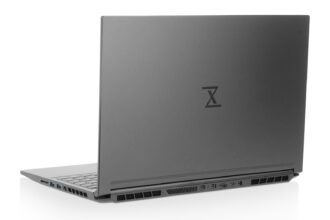
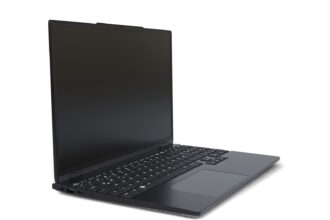
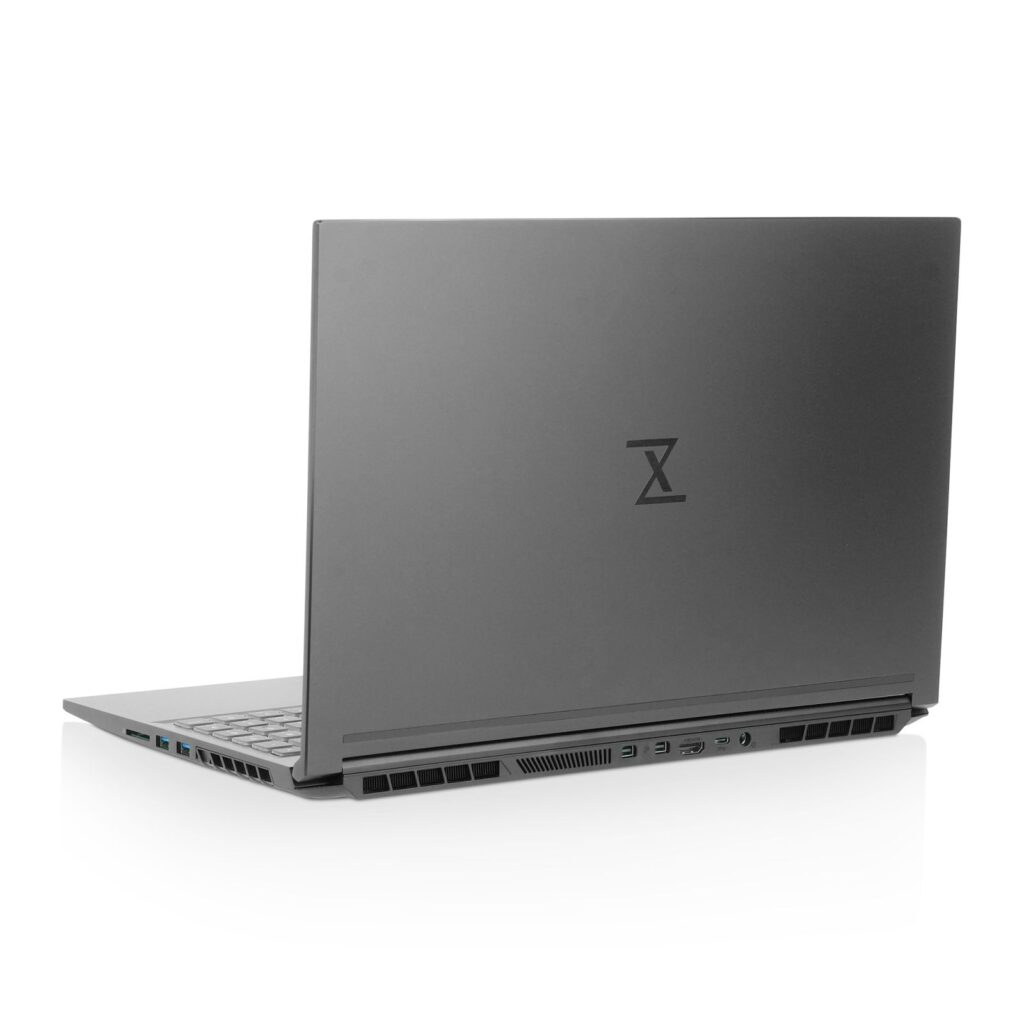
The CoreBook X typically adopts a minimalist design with an all-metal chassis. This construction contributes to a premium feel, despite the laptop’s budget-friendly price point. The build quality generally feels solid, though some reports suggest slight flex in the display lid. Portability is a key selling point, with its slim profile and relatively lightweight design making it easy to carry around. The design focuses on simplicity, often featuring a clean aesthetic with minimal branding.
Display and Audio
The 14-inch IPS display is a highlight of the CoreBook X. The 2160 x 1440 resolution (sometimes referred to as 2K) provides a sharp and detailed image, making it suitable for both work and media consumption. The IPS panel offers good viewing angles and decent color accuracy, though professional-grade color reproduction might not be its forte. The audio quality, typical of laptops in this price range, is adequate for casual listening, but external speakers or headphones are recommended for a richer audio experience.
Performance and Daily Usage
The Intel Core i5 processor (again, model specifics will vary by configuration) and integrated graphics are well-suited for everyday tasks. Users can expect smooth performance when browsing the web, working on documents, running office applications, and streaming videos. While not designed for demanding tasks like video editing or gaming, the CoreBook X can handle light to moderate workloads. The SSD contributes significantly to a responsive user experience, with fast boot times and application loading. The amount of RAM (8GB or 16GB) influences multitasking performance; more RAM allows for smoother handling of multiple open applications.
Battery Life
Battery life on the Chuwi CoreBook X is generally acceptable for a laptop in its class. Expect to get around 6-8 hours of use on a single charge, depending on your usage patterns (brightness levels, tasks performed, etc.). Battery life is a crucial factor for a portable laptop, and the CoreBook X offers a reasonable amount of on-the-go time.
Ports and Connectivity
The CoreBook X typically includes a standard selection of ports. Expect to find a USB-A port, a USB-C port (which often supports charging and data transfer), a headphone jack, and a microSD card slot. The presence of a USB-C port adds versatility, while the microSD card reader offers expandable storage options. Wireless connectivity includes Wi-Fi and Bluetooth.
Chuwi CoreBook X vs. The Competition
The CoreBook X competes in the crowded budget laptop market. To understand its value proposition, it’s essential to compare it with other popular options.
Best Chuwi CoreBook X Alternatives
Several laptops compete directly with the Chuwi CoreBook X.
| Feature | Chuwi CoreBook X | Dell Inspiron 14 (Comparable Configuration) | Acer Aspire 5 (Comparable Configuration) |
|---|---|---|---|
| Starting Price | ~$400-$600 | ~$600-$800 | ~$500-$700 |
| Processor | Intel Core i5 (varies) | Intel Core i5/i7 | Intel Core i3/i5/i7 |
| RAM | 8GB/16GB | 8GB/16GB | 8GB/16GB |
| Storage | 256GB/512GB SSD | 256GB/512GB SSD | 256GB/512GB SSD |
| Display | 14″ 2160 x 1440 IPS | 14″ 1920 x 1080 IPS | 14″ 1920 x 1080 IPS/TN |
| Build Quality | Metal Chassis | Plastic/Metal Hybrid | Plastic |
| Portability | Good | Good | Good |
| Pros | Affordable, High-Resolution Display | Reputation, Customer Support | Value, Variety of configurations |
| Cons | Limited Customer Support | Price, Less Powerful Graphics | Display Quality (May vary) |
Dell Inspiron 14: Offers a well-established brand name, and potentially more robust customer support. May be pricier.
Acer Aspire 5: Provides a good balance of features and performance, with a wider range of configuration options and generally good value.
Pros and Cons
Pros:
- Affordable Price: Offers excellent value for its features.
- High-Resolution Display: The 2K display provides a sharp visual experience.
- Portability: Lightweight and slim design makes it easy to carry.
- Decent Performance: Capable of handling everyday tasks.
- Solid Build Quality: The metal chassis feels premium.
Cons:
- Limited Customer Support: Chuwi’s customer support may not be as readily available or responsive as larger brands.
- Graphics Limitations: Not suitable for demanding gaming or graphics-intensive applications.
- Battery Life (Average): While adequate, battery life isn’t a standout feature.
- Brand Recognition: Chuwi is less known than some competitors.
Conclusion: Should You Buy the Chuwi CoreBook X?
The Chuwi CoreBook X is a solid choice for users looking for an affordable and portable laptop for everyday tasks. Its high-resolution display, decent performance, and solid build quality make it a compelling option in its price range. If you prioritize budget, a sharp screen, and portability, and you’re comfortable with a less-established brand, the CoreBook X is worth considering. However, if you need superior customer support, more powerful graphics capabilities, or are willing to spend more, other laptops like the Dell Inspiron 14 or Acer Aspire 5 might be better alternatives. Ultimately, the best choice depends on your individual needs and priorities.
Frequently Asked Questions (FAQ)
-
Is the Chuwi CoreBook X good for students? Yes, it is a good option for students, especially those on a budget. It’s suitable for note-taking, research, and online learning.
-
Can the Chuwi CoreBook X handle gaming? Light gaming is possible, but it is not designed for demanding games. The integrated graphics will limit its capabilities.
-
Does the Chuwi CoreBook X have a touchscreen? Typically, the CoreBook X models do not come with touchscreens.
-
What operating system does the Chuwi CoreBook X run? Usually, it comes with Windows 10 or Windows 11 pre-installed.
-
How much RAM do I need? For general use, 8GB of RAM should suffice. If you plan to multitask heavily or work with large files, consider the 16GB option.