ASUS ProArt Studiobook 16: A Deep Dive for Creative Professionals
The ASUS ProArt Studiobook 16, a powerhouse laptop designed specifically for creative professionals, aims to deliver exceptional performance and a seamless workflow. This machine doesn’t just promise power; it aims to provide a tailored experience for demanding tasks like video editing, 3D rendering, and graphic design. With its high-end components, vibrant display, and innovative features, the Studiobook 16 attempts to carve a niche in a competitive market. This in-depth analysis will explore its strengths, weaknesses, and who it’s truly designed for.
Outline
- Design and Build Quality
- Display and Audio Performance
- Performance and Specifications
- Connectivity and Ports
- Features and Software
- Battery Life and Portability
- Pros and Cons
- Who is the ASUS ProArt Studiobook 16 For?
- Best ASUS ProArt Studiobook 16 Alternatives for Professionals
- FAQ
Design and Build Quality
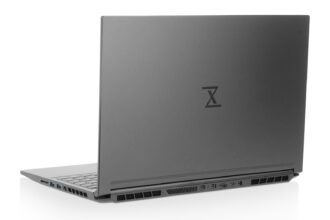
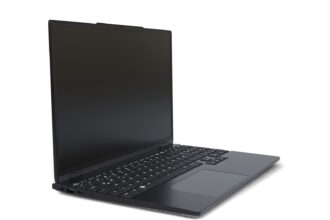
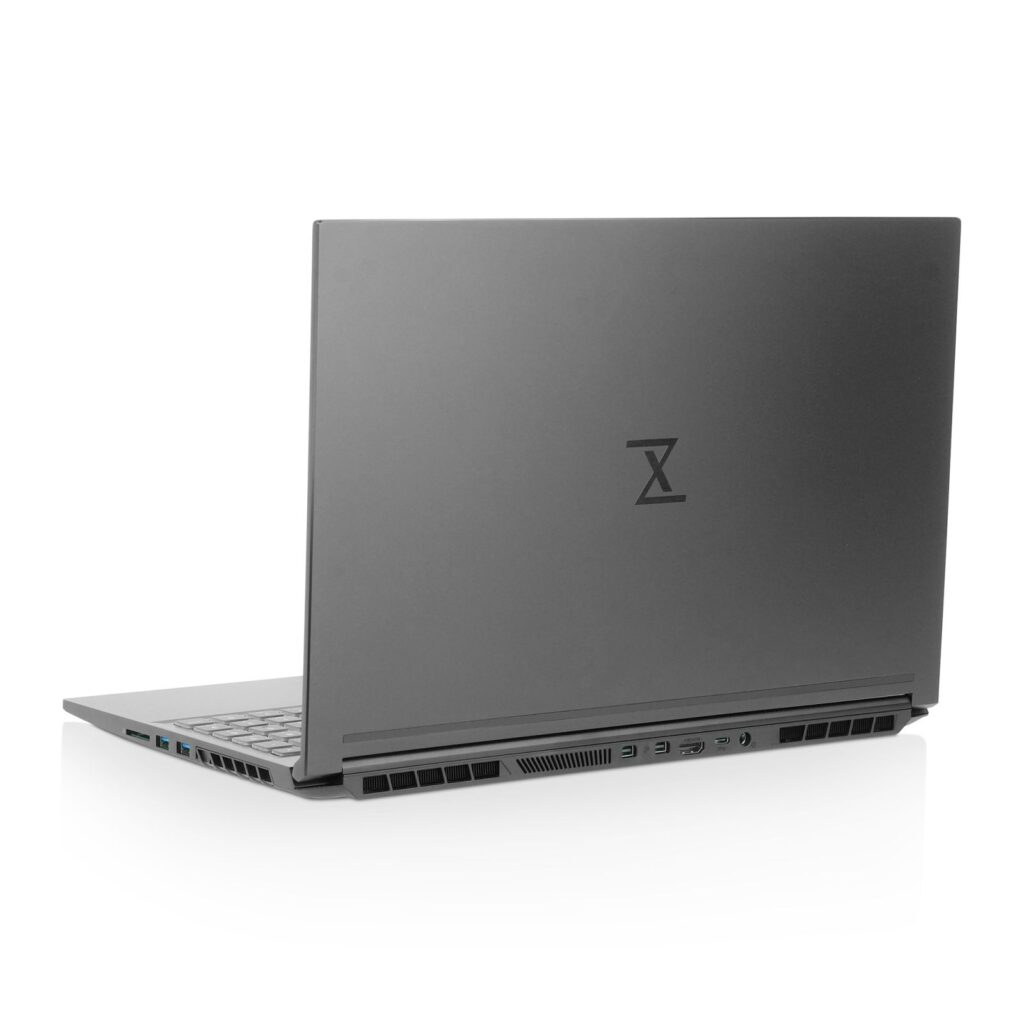
The ASUS ProArt Studiobook 16 exudes a premium aesthetic, typically featuring a sleek, minimalist design with a matte finish. Build materials are usually high-quality, often including aluminum alloys for durability and a robust feel. The design philosophy centers on functionality, with a focus on thermals (crucial for sustained performance) and user comfort. The chassis is generally sturdy, designed to withstand the rigors of professional use, including frequent travel. The keyboard layout is well-considered, providing comfortable key travel and a responsive typing experience, essential for long work sessions.
Display and Audio Performance
A standout feature of the Studiobook 16 is its display. The laptop often incorporates a high-resolution, color-accurate panel, typically boasting 4K UHD resolution, covering a significant portion of the Adobe RGB color gamut and offering Delta-E values low enough to satisfy professional requirements. This provides accurate color reproduction, vital for tasks like photo and video editing. Brightness levels are usually sufficient for working in various lighting conditions. The audio system, often developed in collaboration with Harman Kardon, delivers clear and balanced sound, suitable for both content creation and media consumption. The inclusion of a built-in microphone array further enhances the overall multimedia experience.
Performance and Specifications
The ProArt Studiobook 16 is equipped with top-tier components to handle demanding workloads. This typically includes the latest generation of Intel Core i9 or AMD Ryzen 9 series processors, coupled with a generous amount of RAM (typically 32GB or more). The graphics processing unit (GPU) is also a key component, with options ranging from NVIDIA GeForce RTX series GPUs to professional-grade NVIDIA RTX A-series GPUs. This ensures smooth performance in graphics-intensive applications. Storage usually comes in the form of fast NVMe PCIe SSDs, offering rapid load times and responsiveness. Cooling systems are designed to efficiently dissipate heat, preventing performance throttling during prolonged use.
Connectivity and Ports
The ProArt Studiobook 16 offers a comprehensive selection of ports to cater to the needs of creative professionals. This typically includes multiple USB-C ports (supporting Thunderbolt 4), USB-A ports, an HDMI output, an SD card reader, and a headphone jack. This comprehensive selection enables users to connect to a wide range of peripherals, including external displays, storage devices, and audio interfaces. Wireless connectivity options include the latest Wi-Fi standards (Wi-Fi 6E) and Bluetooth.
Features and Software
The Studiobook 16 often incorporates innovative features to enhance the creative workflow. The ASUS Dial is a unique physical rotary controller designed to provide intuitive control over various creative applications. It enables users to adjust parameters such as brush size, opacity, and color saturation with precision. The laptop also comes pre-loaded with ASUS ProArt Creator Hub, a software application that allows users to monitor system performance, customize settings, and manage color profiles. This streamlines workflow and promotes a user-friendly experience.
Battery Life and Portability
Given the high-performance components, battery life is not the primary focus of the Studiobook 16. However, it still aims to provide a reasonable amount of on-the-go productivity. Expect several hours of light usage, but the battery will drain more rapidly under heavy workloads. The laptop’s size and weight are generally manageable, making it suitable for travel, but it’s not the most compact or lightweight option available.
Pros and Cons
Pros:
- Exceptional performance: Powerful processors and GPUs handle demanding tasks with ease.
- Color-accurate display: Ideal for professionals needing accurate color reproduction.
- Innovative features: ASUS Dial enhances workflow and control.
- Comprehensive port selection: Offers a wide range of connectivity options.
- Premium build quality: Durable and well-designed.
Cons:
- Price: Typically a high-end, premium product with a correspondingly high price.
- Battery life: Not designed for all-day unplugged use.
- Portability: While portable, it’s not the most compact laptop.
Who is the ASUS ProArt Studiobook 16 For?
The ASUS ProArt Studiobook 16 is designed for creative professionals who demand high performance and accurate color reproduction. This includes:
- Video Editors: For editing 4K or 8K footage.
- 3D Animators and Renderers: For creating complex scenes and renderings.
- Graphic Designers and Illustrators: For accurate color calibration and fast performance.
- Photographers: For photo editing and retouching.
- Architects and Engineers: For CAD and other design applications.
Best ASUS ProArt Studiobook 16 Alternatives for Professionals
The market is full of professional laptops. Here’s a comparison table:
| Feature | ASUS ProArt Studiobook 16 | Apple MacBook Pro 16 (M3 Max) | Dell XPS 17 | HP ZBook Studio G9 |
|---|---|---|---|---|
| Processor | Intel Core i9 / AMD Ryzen 9 | Apple M3 Max | Intel Core i7/i9 | Intel Core i7/i9 |
| GPU | NVIDIA GeForce RTX / RTX A-Series | Apple Silicon GPU (Integrated) | NVIDIA GeForce RTX | NVIDIA RTX A-Series |
| Display | 16″ 4K UHD, Color Accurate | 16.2″ Liquid Retina XDR, Color Accurate | 17″ UHD+, Color Accurate | 16″ UHD+, Color Accurate |
| RAM | Up to 64GB | Up to 128GB | Up to 64GB | Up to 128GB |
| Storage | Up to 4TB SSD | Up to 8TB SSD | Up to 8TB SSD | Up to 8TB SSD |
| Features | ASUS Dial, ProArt Creator Hub | Touch Bar, Excellent Ecosystem | Excellent Display, good performance | ISV Certifications, workstation features |
| Price (approx.) | Starts at $2,000+ | Starts at $2,799+ | Starts at $2,000+ | Starts at $2,200+ |
| Best For | 3D rendering, Video Editing, Creative Applications | Video Editing, Creative, Ecosystem | General Use, Video Editing, and some creative tasks | Workstation-grade tasks, CAD, Engineering applications |
This table shows the competition, highlighting the major differences to help you make a informed decision.
FAQ
What is the ASUS Dial, and how does it work?
The ASUS Dial is a physical rotary controller built into the laptop. It’s designed to work with various creative applications, allowing users to intuitively adjust settings like brush size, opacity, and color saturation.
What kind of GPU does the Studiobook 16 typically include?
The ProArt Studiobook 16 often offers a selection of NVIDIA GeForce RTX series GPUs, or sometimes NVIDIA RTX A-Series professional GPUs, depending on the specific configuration.
Is the ASUS ProArt Studiobook 16 suitable for gaming?
While it can handle gaming, its primary focus is on professional creative tasks. Gaming performance will depend on the specific GPU configuration, but other laptops are more specifically designed for gaming.
How is the display color accuracy?
The display is designed for color accuracy, typically boasting high Adobe RGB color gamut coverage and low Delta-E values, making it ideal for professional content creation.
Does the Studiobook 16 have good battery life?
Battery life is not the primary focus, due to the high-performance components. Expect a few hours of light use, but the battery will drain quickly under heavy workloads.