Tuxedo Pulse 15: A Deep Dive into High-Performance Linux Gaming
The Tuxedo Pulse 15 is a high-performance gaming laptop tailored specifically for the Linux operating system. It offers a unique proposition for gamers and professionals who prioritize open-source software, customization, and powerful hardware within a portable form factor. This article delves into the specifics of the Tuxedo Pulse 15, examining its features, performance, and suitability for various use cases.
Outline
- Introduction
- Design and Build Quality
- Display and Audio
- Performance: CPU and GPU
- Storage, RAM, and Connectivity
- Battery Life and Portability
- Operating System and Software
- Tuxedo Control Center
- Best Tuxedo Pulse 15 Alternatives for Gamers
- Who Should Buy the Tuxedo Pulse 15?
- Conclusion
- Frequently Asked Questions (FAQ)
Design and Build Quality
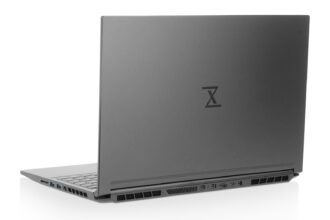
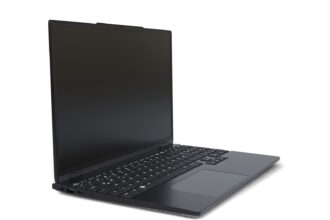
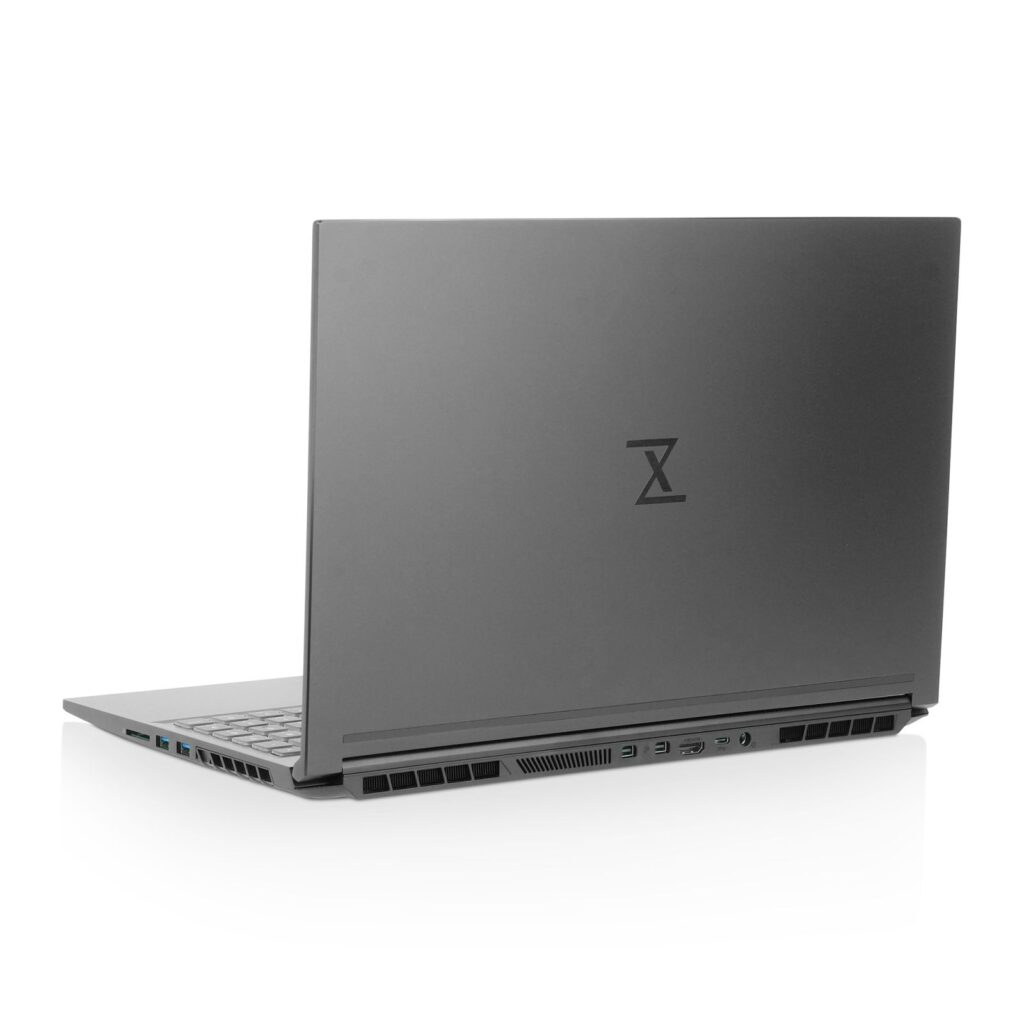
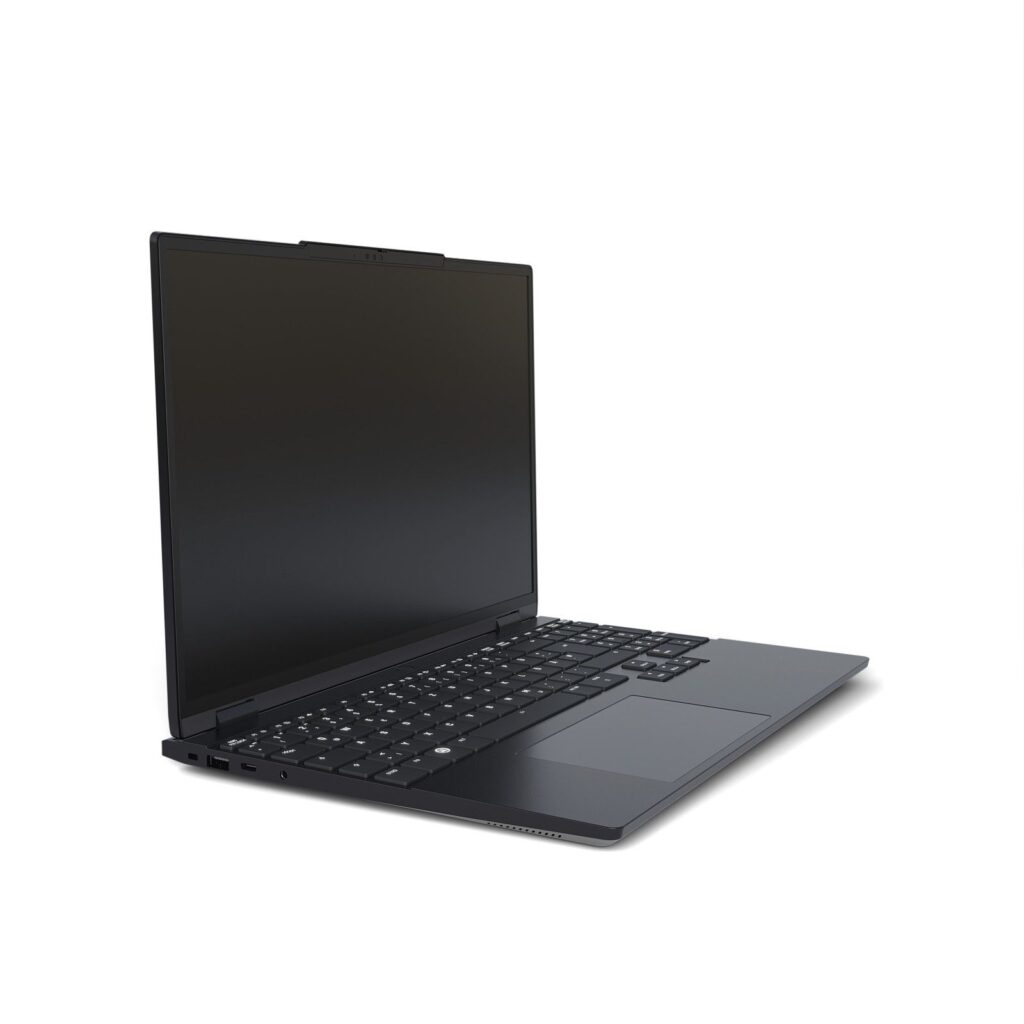
The Tuxedo Pulse 15 boasts a sleek and minimalist design. Constructed from a robust aluminum chassis, it gives a premium feel with a solid build quality. The design is understated and avoids overly flashy aesthetics often associated with gaming laptops, making it suitable for both professional and gaming environments. The lid features the Tuxedo logo, and the overall design is clean and uncluttered. The keyboard deck is sturdy, with minimal flex, and the hinges provide a smooth and stable screen movement. While not the thinnest or lightest gaming laptop on the market, it maintains a good balance between portability and structural integrity.
Display and Audio
The Pulse 15 typically offers a high-refresh-rate display, often 144Hz or even 165Hz, with a Full HD (1920×1080) or QHD (2560×1440) resolution. The panel is generally of good quality, providing accurate color reproduction and wide viewing angles, making it ideal for both gaming and content consumption. The display is bright enough for comfortable use in various lighting conditions.
The audio experience is generally satisfactory. While the built-in speakers might not offer the richest bass, they deliver clear sound with decent volume. For a more immersive experience, users are encouraged to utilize external headphones or speakers via the provided audio jack or Bluetooth.
Performance: CPU and GPU
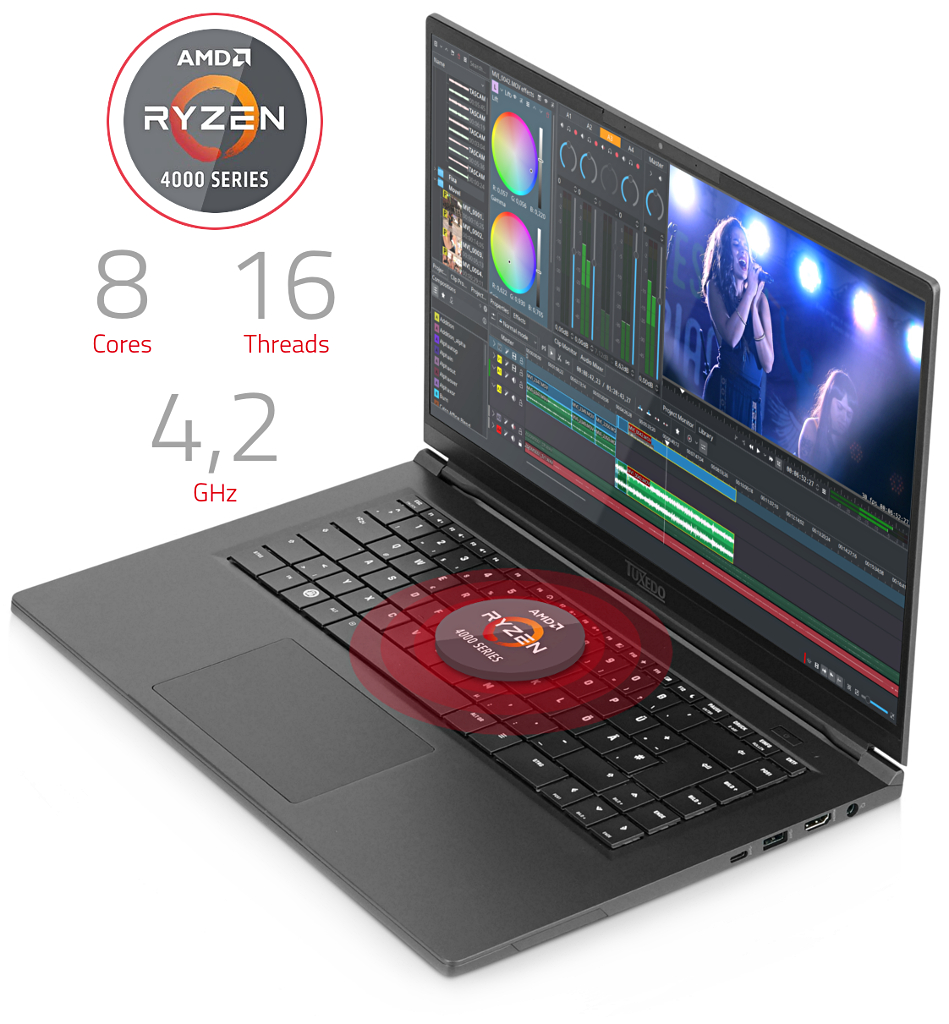
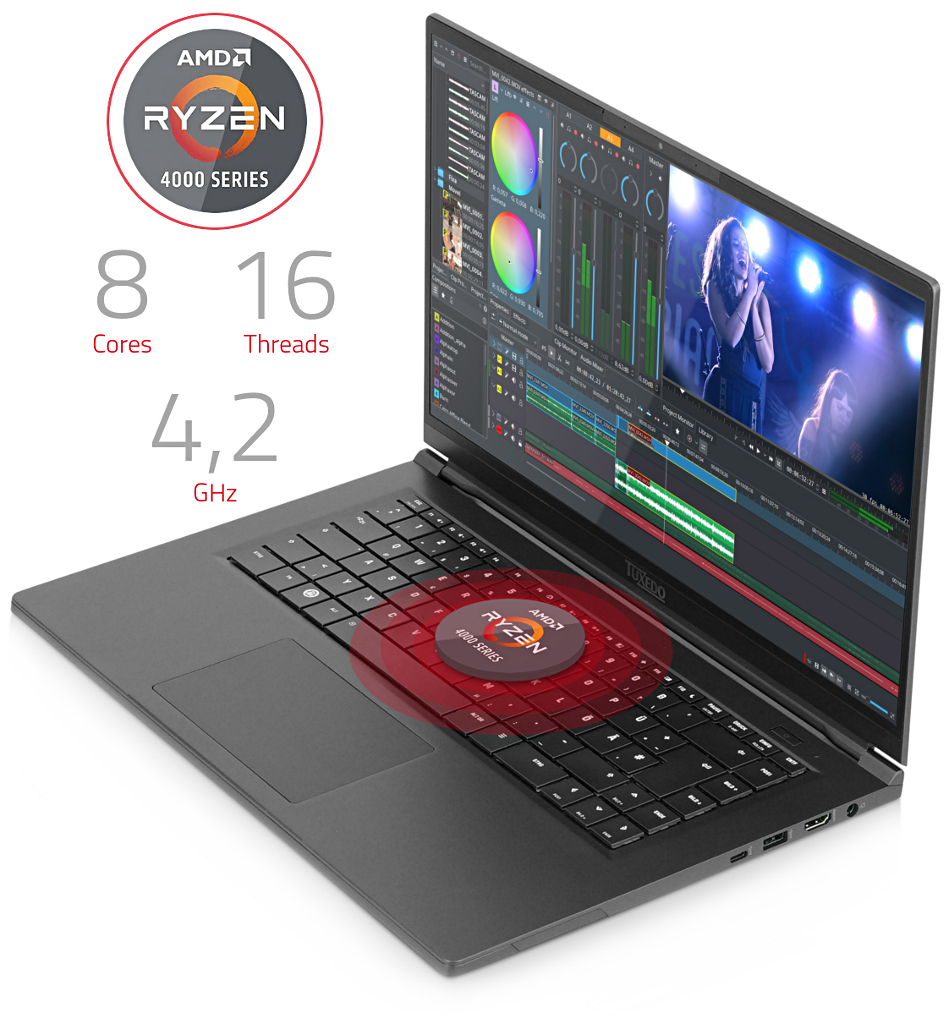
The heart of the Tuxedo Pulse 15’s performance lies in its powerful components. Equipped with AMD Ryzen processors (often Ryzen 7 or Ryzen 9) and NVIDIA GeForce RTX graphics cards (varying models like RTX 3060, RTX 3070, or RTX 3080, depending on configuration), this laptop delivers excellent gaming performance. The combination of a high-performance CPU and a dedicated GPU ensures smooth frame rates in demanding games, while also handling resource-intensive tasks such as video editing and content creation. The Linux environment allows for optimized driver support, often resulting in good performance figures.
Storage, RAM, and Connectivity
The Pulse 15 typically offers ample storage options via fast NVMe SSDs. This ensures rapid boot times, quick application loading, and overall system responsiveness. RAM configurations are customizable, often starting at 16GB and going up to 64GB or even more, which is crucial for multitasking, running demanding applications, and providing a buffer for games.
Connectivity options are plentiful, including multiple USB ports (USB-A and USB-C), HDMI output, a Gigabit Ethernet port, and a headphone jack. The presence of USB-C ports with Thunderbolt support (depending on the specific configuration) expands connectivity options and allows for the connection of external displays and other peripherals. Wireless connectivity includes Wi-Fi 6 and Bluetooth 5.0 for fast and reliable wireless networking.
Battery Life and Portability
While gaming laptops are not known for exceptional battery life, the Pulse 15 offers a decent battery performance for its class. The actual battery life depends on the configuration, usage patterns (e.g., gaming vs. browsing), and display brightness. Expect a few hours of use for light tasks, and significantly less while gaming. The laptop’s weight and dimensions make it portable, though it is not as ultraportable as some ultrabooks. It fits comfortably in most laptop bags and can be easily transported.
Operating System and Software
The defining characteristic of the Tuxedo Pulse 15 is its pre-installed Linux operating system. Tuxedo offers a customized Linux distribution, often based on Ubuntu or Kubuntu, pre-configured for optimal performance and compatibility. This means that users don’t have to struggle with installing and configuring Linux themselves; everything is ready to go out of the box. Tuxedo also provides a suite of software to assist in hardware management and system optimization.
Tuxedo Control Center
The Tuxedo Control Center is a crucial piece of software that comes pre-installed on the Pulse 15. This allows users to monitor system performance, manage fan speeds, adjust power profiles, and customize other system settings. This control is crucial for tailoring performance to different tasks and optimizing the laptop’s thermal behavior. This control is extremely useful to ensure the system doesn’t overheat during intensive tasks.
Best Tuxedo Pulse 15 Alternatives for Gamers
While the Tuxedo Pulse 15 excels for Linux-focused gaming, other laptops cater to similar audiences. The following comparison tables explore some prominent alternatives:
Comparison Table: Dell G15 vs. Tuxedo Pulse 15
| Feature | Dell G15 (Example Configuration) | Tuxedo Pulse 15 (Example Configuration) | Key Differences |
|---|---|---|---|
| Operating System | Windows 11 | Linux (Tuxedo OS based on Ubuntu/Kubuntu) | Software ecosystem; Linux-focused vs. Windows-focused. |
| CPU | Intel Core i7-12700H | AMD Ryzen 7 5800H / Ryzen 9 5900HX | Performance can vary based on specific configuration and use case. |
| GPU | NVIDIA GeForce RTX 3060 / 3070 / 3080 | NVIDIA GeForce RTX 3060 / 3070 / 3080 | Both offer high-end gaming performance, Linux driver optimizations may differ. |
| RAM | Up to 32GB DDR5 | Up to 64GB DDR4 | Ram capacity |
| Storage | Up to 1TB NVMe SSD | Up to 2TB NVMe SSD | Storage Capacity |
| Display | 15.6″ 165Hz / 360Hz FHD / QHD | 15.6″ 144Hz / 165Hz FHD / QHD | Refresh rate, display resolution |
| Price | Starts around $1000 | Starts around $1700 | Generally more expensive, but tailored for Linux. |
Comparison Table: ASUS ROG Strix G15 vs. Tuxedo Pulse 15
| Feature | ASUS ROG Strix G15 (Example Configuration) | Tuxedo Pulse 15 (Example Configuration) | Key Differences |
|---|---|---|---|
| Operating System | Windows 11 | Linux (Tuxedo OS based on Ubuntu/Kubuntu) | Software ecosystem; Linux-focused vs. Windows-focused. |
| CPU | AMD Ryzen 7 / 9 | AMD Ryzen 7 5800H / Ryzen 9 5900HX | Performance can vary based on specific configuration and use case. |
| GPU | NVIDIA GeForce RTX 3060 / 3070 / 3080 | NVIDIA GeForce RTX 3060 / 3070 / 3080 | Both offer high-end gaming performance, Linux driver optimizations may differ. |
| RAM | Up to 32GB DDR5 | Up to 64GB DDR4 | Ram capacity |
| Storage | Up to 1TB NVMe SSD | Up to 2TB NVMe SSD | Storage Capacity |
| Display | 15.6″ 165Hz / 300Hz FHD / QHD | 15.6″ 144Hz / 165Hz FHD / QHD | Refresh rate, display resolution |
| Price | Starts around $1300 | Starts around $1700 | Generally more expensive, but tailored for Linux. |
Who Should Buy the Tuxedo Pulse 15?
The Tuxedo Pulse 15 is ideally suited for:
- Linux Enthusiasts: Users who are already familiar with or want to switch to the Linux operating system.
- Gamers on Linux: Individuals seeking a high-performance gaming laptop with excellent Linux compatibility.
- Developers and Professionals: Programmers, system administrators, and other professionals who prefer a Linux environment for their work.
- Customization Seekers: Users who appreciate the ability to customize hardware and software to their specific needs.
- Privacy-Conscious Users: Those concerned about data privacy and prefer open-source solutions.
Conclusion
The Tuxedo Pulse 15 offers a compelling proposition for Linux-focused gaming and professional use. Its powerful hardware, excellent display, and pre-configured Linux environment provide a seamless experience for users who prefer open-source software. While the initial investment might be slightly higher than some Windows-based alternatives, the value lies in its customized Linux experience and tailored user support. The Pulse 15 is a strong contender in the Linux gaming laptop market and a great choice for those who value performance, customization, and open-source software.
Frequently Asked Questions (FAQ)
-
Can I dual-boot Windows with the Tuxedo Pulse 15?
- Yes, it is possible to dual-boot Windows with the Pulse 15, but it may require some technical knowledge and a separate installation process.
-
Does the Tuxedo Pulse 15 come with a warranty?
- Yes, Tuxedo provides a warranty, the length of which varies depending on the specific model and region.
-
Can I upgrade the RAM and storage?
- Yes, both RAM and storage are often upgradable, depending on the specific configuration and model year.
-
Does the Pulse 15 support ray tracing?
- Yes, as it comes equipped with NVIDIA RTX graphics cards, it supports ray tracing in compatible games.
-
How good is the cooling system?
- The cooling system in the Pulse 15 is generally effective at managing heat during gaming and resource-intensive tasks, with customizable fan profiles available in the Tuxedo Control Center.